
Choosing the right aircraft certification is crucial for your career as a pilot. Whether you want to fly the ATR 500 or ATR 600, the Airbus A320, or the Boeing B737, this decision will shape your future in aviation. This guide will help you understand the key differences between these certifications and find the best option for you.
What is a Type Rating?
A type rating is a specialized certification that allows pilots to operate specific aircraft. Depending on the aircraft type, the required certification varies. Certifications for ATR, Airbus, and Boeing aircraft differ in complexity, cost, and the type of flight they prepare you for. If your goal is to fly internationally, you will likely need certifications recognized by organizations such as EASA, FAA, or DGCA.
Key Differences Between ATR, Airbus, and Boeing Certifications
1. ATR Certification: Focus on Regional Aviation
First, let’s look at ATR certification. The ATR 500 and ATR 600 are popular options for short-haul flights. ATR training focuses on handling turboprop engines and flying in regional environments. If you want to fly in areas with smaller airports and lower air traffic, this certification is ideal.
- Professional Opportunities: If you plan to fly for regional airlines, ATR certification will help you achieve that. It’s perfect for flying in regions with smaller airports and lower traffic, such as parts of Europe, Asia, and Latin America.
- Training Focus: ATR training emphasizes manual flying, making it suitable for pilots who enjoy hands-on flight experiences.
2. Airbus Certification: Modern Technology and Automation
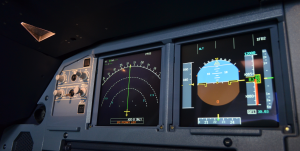
Next, consider Airbus certification. The Airbus A320 is one of the most advanced aircraft in the world, with fly-by-wire technology and highly automated systems. Training for the A320 will focus on mastering these advanced technologies, which are essential for modern air transport.
- Professional Opportunities: The A320 is widely used by international airlines. Therefore, obtaining this certification opens up a wide range of opportunities in the aviation sector.
- Training Focus: With Airbus, you will learn to manage complex systems and automated flight controls, ideal for those interested in modern aviation technology.
3. Boeing Certification: Versatility and Reliability
Finally, let’s look at Boeing certification, specifically for the Boeing B737. The B737 is one of the most versatile aircraft in the world. It is used for both short and medium-haul flights, making it a popular choice for airlines worldwide. Boeing aircraft combine modern technology with traditional manual controls, providing a balanced flying experience.
- Professional Opportunities: The Boeing B737 is operated by numerous airlines around the world. Therefore, this certification opens up many job opportunities.
- Training Focus: Boeing training focuses on a combination of manual flying skills and modern cockpit technology, which will appeal to pilots who enjoy practical flying with some advanced systems.
Factors to Consider When Choosing Your Certification
1. Professional Goals
First, make sure your certification aligns with your professional goals. If you want to fly for regional airlines, ATR certification is the ideal option. On the other hand, if you plan to work for international airlines, Airbus or Boeing will open more doors. It’s essential to know which aircraft are in demand in the region where you want to work.
2. Training Cost and Availability
Next, consider the cost of training. ATR certifications are usually more affordable than Airbus or Boeing. However, while training for Airbus and Boeing may be more expensive, it can lead to better-paying jobs in the future. Keep in mind your financial situation and long-term earning potential.
3. Regulatory Requirements
Additionally, be sure to check the regulatory requirements in your region. For example, you will need EASA certification if you plan to fly in Europe, FAA certification for the United States, and DGCA certification for India. Verify that your certification matches the job market you aspire to.
4. Personal Preferences
Finally, consider your personal preferences. If you prefer manual control, you might enjoy Boeing aircraft. On the other hand, if you like working with advanced systems, Airbus might be the best choice. If you want to fly regional routes, ATR certification is ideal.
Why Choose Global Training Aviation for Type Rating Certifications?
At Global Training Aviation, we offer high-quality training for obtaining ATR 500/600, Airbus A320, and Boeing B737 type ratings. Here’s why pilots choose us:
- Tailored Programs: We offer customized training courses for ATR, Airbus, and Boeing aircraft.
- State-of-the-Art Simulators: Train with full-flight simulators (FFS) for a realistic and immersive experience.
- Global Accreditation: Our programs meet the standards of EASA, FAA, and DGCA.
- Experienced Instructors: Our expert instructors will guide you through every step of the training process.
Frequently Asked Questions
What is a type rating and why is it important?
A type rating is a specialized certification that allows pilots to operate specific aircraft. It’s essential for pilots who wish to fly certain types of aircraft like the ATR, Airbus, or Boeing, and it’s required by regulatory bodies to ensure pilots are trained for the specific needs of each aircraft.
What are the key differences between ATR, Airbus, and Boeing certifications?
The key differences lie in the type of aircraft and the focus of the training:
- ATR: Focuses on turboprop engines and regional flights.
- Airbus: Focuses on modern automation and fly-by-wire technology.
- Boeing: Combines traditional manual controls with modern technology, making it versatile for short and medium-haul flights.
How do I choose the best certification for my career goals?
If you want to fly regionally, ATR certification is the best choice. For international airline opportunities, Airbus or Boeing certifications are the better options. Consider your goals, the demand for certain aircraft in your desired region, and the cost of training when making your decision.