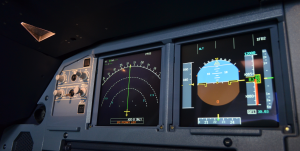

Human factors in aviation play a crucial role in ensuring the safety and efficiency of flight operations. From cabin crew to pilots and instructors, all members of the aviation team must work cohesively, understanding the psychological and physical factors that influence performance. In this article, we explore how human factors shape the industry and contribute to the smooth running of aviation operations.
What are Human Factors in Aviation?
Human factors refer to the interaction between people, machines, and the environment in which they operate. In aviation, this concept addresses how pilots, cabin crew, and other personnel interact with systems, technology, and each other. These factors are key to minimizing errors, improving decision-making, and maintaining high safety standards.
The Role of Pilots in Managing Human Factors
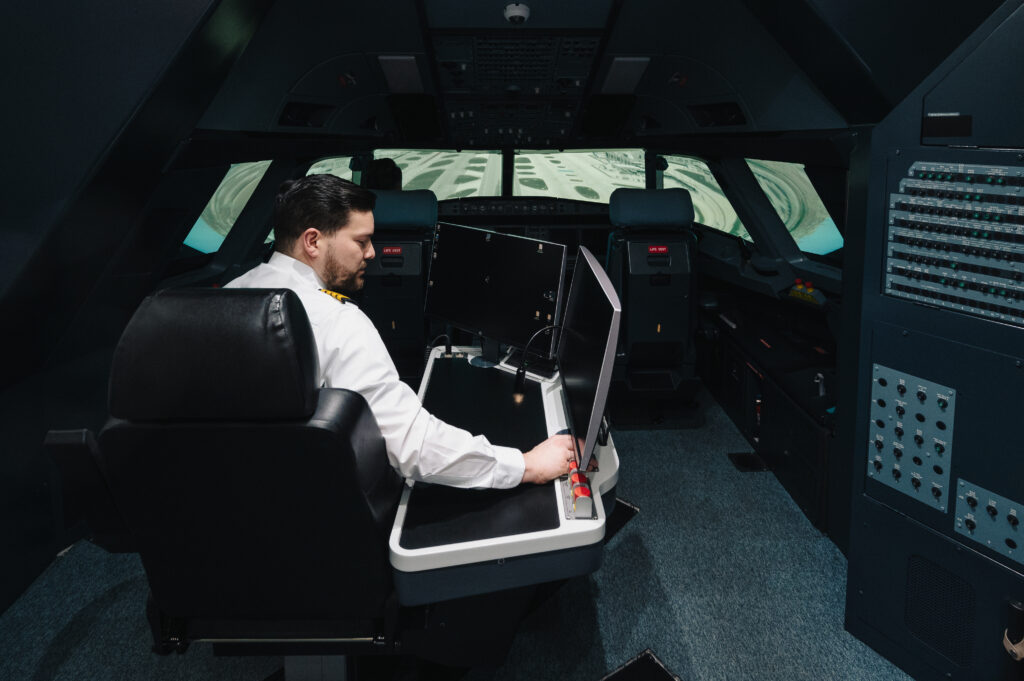
Pilots are at the forefront of aviation operations, and their ability to manage human factors directly impacts flight safety. Pilot training programs emphasize:
- Decision-making under pressure: Pilots must quickly assess situations and make the right decisions.
- Situational awareness: Recognizing and interpreting environmental changes to prevent accidents.
- Communication skills: Clear communication with the cabin crew and air traffic control is vital to avoid misunderstandings.
Pilot training often includes simulations that mimic real-world situations to help future aviators master these skills.
Contributions of Cabin Crew to Human Factors
Cabin crew members are the backbone of passenger safety and comfort during flight. Their role extends beyond hospitality and includes responsibilities such as:
- Stress management: Cabin crew must stay calm in difficult situations to reassure passengers and assist pilots when necessary.
- Conflict resolution: Professionally handling disputes or incidents on board.
- Emergency preparedness: Being ready to act swiftly during incidents such as medical emergencies or evacuations.
Cabin crew training includes modules on human factors to prepare them for these demanding situations.
The Importance of Instructors in Human Factors Training
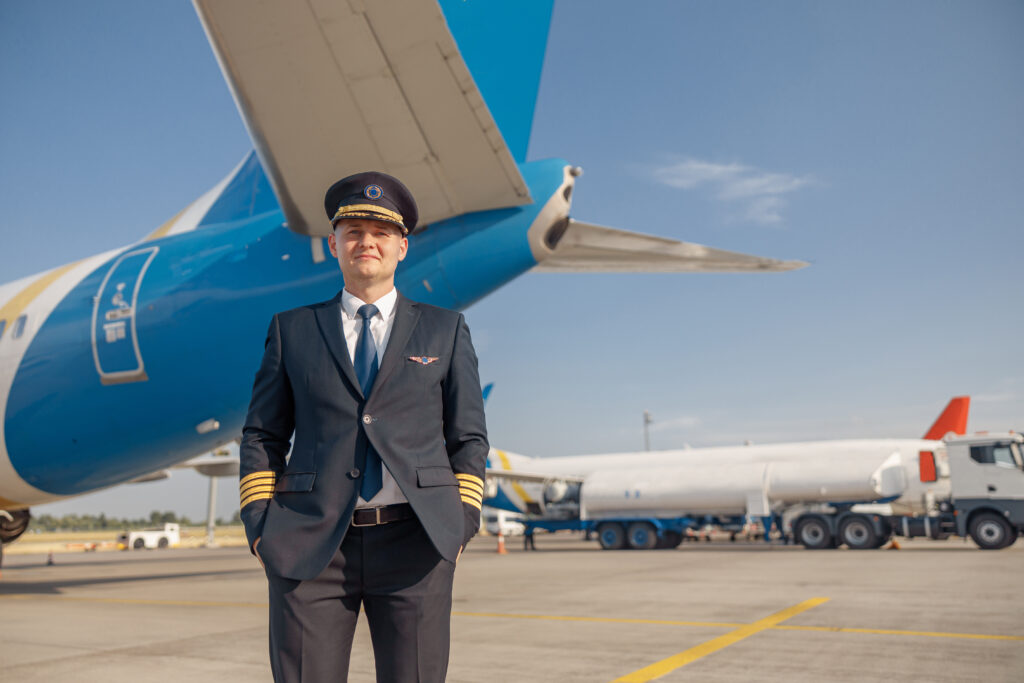
Instructors are essential in ensuring that pilots and cabin crew are well-versed in human factors. They:
- Design comprehensive training programs covering communication, teamwork, and error management.
- Facilitate realistic simulations: Helping students experience and learn from high-pressure situations.
- Evaluate and provide feedback: Ensuring that future aviation professionals are prepared for real-world challenges.
Common Human Factor Challenges in Aviation
Despite rigorous training, human-related issues can still arise, such as:
- Fatigue: Long working hours and irregular schedules can affect pilots and cabin crew.
- Stress and pressure: Tight deadlines or emergency situations require exceptional concentration.
- Distractions: External or internal distractions can cause errors if not effectively managed.
Recognizing and mitigating these challenges is essential to maintaining safety.
The Role of Technology in Managing Human Factors
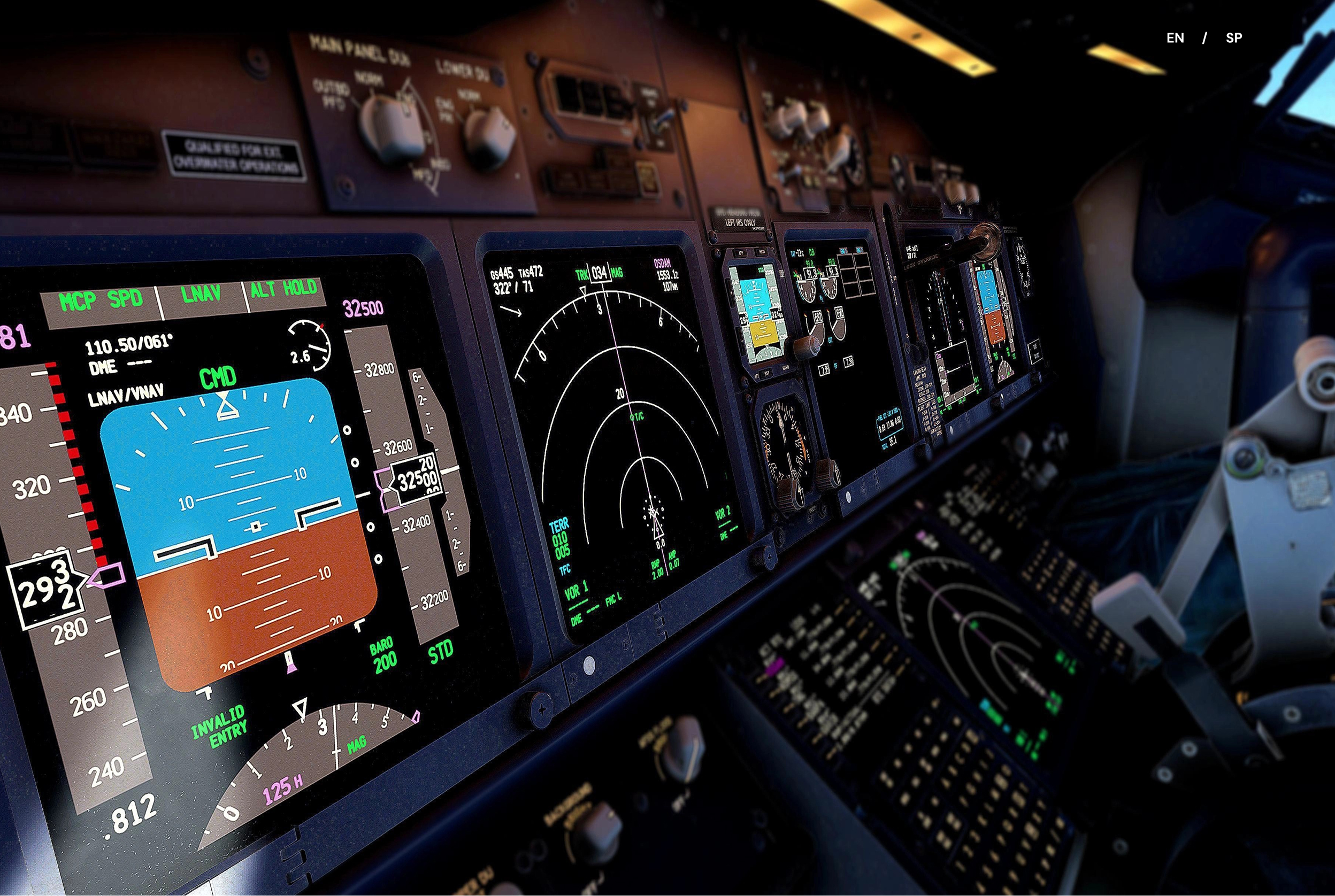
Modern aviation relies heavily on technology to optimize human performance. Advanced cockpit systems, automated alerts, and digital tools help pilots and crew make informed decisions, reducing cognitive workload. However, this dependence on technology requires a precise balance to ensure it complements, rather than replaces, human judgment.
Human factors in aviation are a fundamental aspect of flight safety and operational success. By understanding the interaction between people, machines, and the environment, pilots, cabin crew, and instructors can work together effectively. Continuous training, awareness, and the integration of technology ensure that the aviation industry remains a model of efficiency and safety.
Whether you aspire to train as a pilot or dream of joining the cabin crew, understanding human factors will prepare you for the challenges and responsibilities of this dynamic field.
Frecuently Asked Questions
What are human factors in aviation?
Human factors refer to the interaction between people, machines, and the environment in aviation. This concept helps minimize errors, improve decision-making, and maintain safety standards by ensuring that all team members, including pilots and cabin crew, understand these influences on performance.
How do pilots manage human factors?
Pilots manage human factors through training in decision-making under pressure, situational awareness, and effective communication with the cabin crew and air traffic control. This training is essential to ensure safety and smooth operations, especially in critical situations.
How does cabin crew contribute to managing human factors?
Cabin crew plays a vital role by managing stress, resolving conflicts, and being prepared for emergencies. Their training includes understanding human factors to effectively handle onboard incidents and ensure passenger safety.