
Obtaining a type rating is a crucial step in the career of any pilot who wishes to operate specific aircraft such as the Airbus A320, Boeing 737, ATR 500, or ATR 600. Global Aviation Training (GTA) follows a rigorous training structure tailored to the standards of the relevant aviation authorities. Below, we explain in detail the phases that make up a Type Rating Course at GTA.
1. Ground Training
The first step in any Type Rating Course is theoretical training, where pilots will gain an in-depth understanding of the aircraft’s systems and procedures. At GTA, this phase includes:
- Self-learning and computer-based training (CBT): Pilots absorb key concepts at their own pace before attending in-person classes.
- Classroom instruction: Led by highly qualified instructors, these sessions reinforce learning and clarify any doubts.
- Virtual Procedure Trainer (VPT): Pilots benefit from dedicated hours using the Virtual Procedure Trainer (VPT), which helps them familiarize themselves with the cockpit before simulator training.
This phase is essential as it lays the groundwork of knowledge required for the following stages of training.
2. Simulator Training
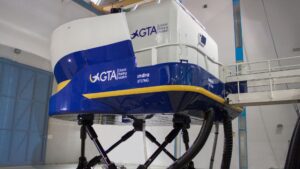
After completing the theoretical training, pilots move on to the practical phase using Full Flight Simulators (FFS) equipped with the latest technology. Under the supervision of experienced instructors, pilots train in realistic flight conditions without leaving the ground.
Simulator training includes several sessions where pilots practice:
- Normal operating procedures, from engine start-up to landing.
- Abnormal and emergency procedures, including engine failures, onboard fires, and operations in adverse weather conditions.
- Instrument flight (IFR) and instrument approaches.
- Crew Resource Management (CRM) and cockpit coordination.
The total number of hours required for simulator training varies depending on the type of aircraft and regulatory requirements. For example, ATR 500, ATR 600, A320, and B737 Type Rating Courses typically include 32 hours of simulator training divided into eight sessions, plus a four-hour final examination.
3. Base Training
The final step of the Type Rating Course is Base Training, where pilots perform their first real flights under the supervision of an instructor.
The objective of this phase is for pilots to experience actual flight conditions and practice essential maneuvers such as:
- Take-offs and landings
- Basic emergency procedures in real flight conditions
- Familiarization with aircraft behavior under different configurations
The number of required take-offs and landings depends on the type of aircraft and applicable regulations. In some cases, if a pilot already has experience with similar aircraft, the number of required maneuvers may be reduced.
4. Final Examination and Type Rating Issuance
After successfully completing all previous phases, pilots must pass a final evaluation, which includes:
- A theoretical exam to assess their knowledge of aircraft systems and procedures
- A simulator flight test, where an examiner evaluates the pilot’s performance in both normal and emergency scenarios
- Base training with an examiner (as required by regulations)
If the pilot successfully passes all evaluations, they are granted the Type Rating, allowing them to officially operate the designated aircraft in accordance with aviation authority standards.
Final Considerations
It is important to note that the phases of a Type Rating Course may vary depending on the regulatory authority. At GTA, courses are designed to comply with the requirements of EASA, DGCA India, and other authorities, ensuring high-quality training tailored to each regulation.
Obtaining a type rating is a crucial step in a pilot’s career. With the structured and professional training provided by Global Training Aviation, pilots acquire the skills and knowledge necessary to safely and efficiently operate aircraft such as the A320, B737, ATR 500, and ATR 600.
FAQ
What is a Type Rating?
A Type Rating is a certification that allows pilots to operate specific aircraft, such as the Airbus A320, Boeing 737, ATR 500, or ATR 600. It is a crucial step in a pilot’s career, as it qualifies them to handle commercial aircraft and operate safely in various conditions.
What is the first phase of a Type Rating course?
The first phase is Ground Training, which includes theoretical learning about the aircraft’s systems and procedures. This phase consists of:
- Self-study and Computer-Based Training (CBT): Pilots absorb key concepts at their own pace before attending in-person classes.
- Classroom Instruction: Led by highly qualified instructors, these sessions reinforce learning and clarify doubts.
- Virtual Procedure Trainer (VPT): Pilots familiarize themselves with the cockpit before moving on to simulator training.
What happens during the simulator training phase?
After completing the ground training, pilots proceed to the Simulator Training phase. Using Full Flight Simulators (FFS), pilots practice realistic flight scenarios without taking off. This phase includes:
- Normal Operational Procedures: From engine start to landing.
- Abnormal and Emergency Procedures: Including engine failures, onboard fires, and adverse weather conditions.
- Instrument Flight Rules (IFR) and Instrument Approaches.
- Crew Resource Management (CRM) and Cockpit Coordination.
- The training includes a set number of hours, varying by aircraft type, and typically involves 32 hours of simulator training.