
La pregunta “¿Cuál es la función de un piloto?” abarca una amplia gama de responsabilidades técnicas, operativas y humanas que hacen de esta profesión una de las más exigentes y respetadas en la industria aeronáutica. Ya sea en la aviación comercial o privada, el piloto es responsable de garantizar la seguridad del vuelo, la correcta operación de la aeronave y la coordinación con todas las partes involucradas en la navegación aérea.
¿Qué hace un piloto de línea aérea?
Cuando nos preguntamos qué hace un piloto de línea aérea , es importante comprender que su trabajo va mucho más allá de pilotar la aeronave. Las funciones de un piloto comercial o privado abarcan desde la planificación del vuelo hasta la gestión de emergencias en vuelo , así como la comunicación con el control de tráfico aéreo y la elaboración de informes posteriores al vuelo. El trabajo de un piloto de línea aérea requiere una preparación continua, experiencia técnica y sólidas habilidades interpersonales.
Planificación del vuelo y preparación previa al vuelo.
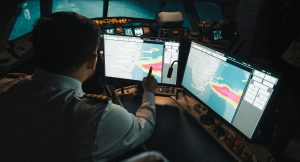
Una de las primeras tareas del piloto es la planificación del vuelo , que implica definir la ruta, calcular el combustible necesario, revisar las condiciones meteorológicas y coordinarse con el equipo de operaciones. Esta etapa es crucial para garantizar un vuelo seguro y eficiente.

Comprobaciones e inspección del sistema antes del vuelo.
Antes del despegue, el piloto realiza una inspección detallada de la aeronave. Esta revisión previa al vuelo incluye la verificación de los sistemas hidráulicos, eléctricos, de navegación y de comunicación. Cualquier irregularidad debe notificarse y solucionarse antes del inicio del vuelo.
Coordinación con el Control de Tráfico Aéreo
Durante todas las fases del vuelo, el piloto mantiene una coordinación constante con el control de tráfico aéreo , que proporciona instrucciones sobre despegues, rutas, altitudes y aterrizajes. Esta comunicación es esencial para evitar conflictos en el espacio aéreo y garantizar la seguridad.
Operación de aeronaves y control de vuelo.
Volar una aeronave requiere precisión, concentración y experiencia técnica. El piloto debe controlar manualmente la aeronave durante fases críticas como el despegue y el aterrizaje, mientras supervisa el piloto automático durante el vuelo de crucero.
Comunicación con pasajeros y tripulación
Además de sus funciones técnicas, el piloto debe mantener una comunicación fluida con la tripulación de cabina y los pasajeros, informándoles sobre el estado del vuelo, posibles turbulencias o cambios de ruta. Esta habilidad es fundamental para generar confianza y garantizar la comodidad a bordo.

Gestión de emergencias y toma de decisiones.
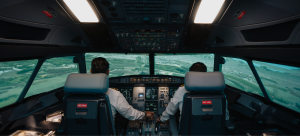
En situaciones inesperadas, como fallos técnicos o condiciones meteorológicas adversas, el piloto debe aplicar protocolos de gestión de emergencias en vuelo y tomar decisiones rápidas y seguras. La formación continua y el uso de simuladores son fundamentales para estar preparado ante cualquier eventualidad.
Informe y documentación posterior al vuelo.
Una vez finalizado el vuelo, el piloto elabora un informe posterior al vuelo que documenta cualquier incidente, desviación del plan de vuelo o anomalía técnica. Este registro es esencial para el mantenimiento de la aeronave y la mejora de los procedimientos operativos.
Funciones del piloto por tipo
Las responsabilidades de un piloto pueden variar significativamente según su licencia y el entorno en el que opera. Si bien todos los pilotos comparten tareas comunes, como la planificación del vuelo, la operación de aeronaves y la coordinación del tráfico aéreo, existen diferencias clave entre los pilotos comerciales, privados y militares .
piloto comercial
Un piloto comercial opera aeronaves con fines de lucro, generalmente para aerolíneas o compañías de transporte aéreo. Sus funciones incluyen:
- Elaborar el plan de vuelo en coordinación con el equipo de operaciones
- Supervisión técnica de la aeronave antes, durante y después del vuelo.
- Responsabilidades del piloto de aerolínea : gestionar pasajeros, cumplir horarios y mantener una comunicación constante con el control del tráfico aéreo.
- Toma de decisiones durante emergencias y preparación de informes posteriores al vuelo
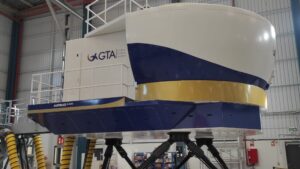
Este tipo de piloto debe someterse a un riguroso entrenamiento y adquirir experiencia en simuladores avanzados, como los que ofrece Global Training Aviation .
piloto privado
Un piloto privado vuela por placer o con fines personales sin recibir compensación. Aunque sus responsabilidades son menos exigentes que las de un piloto comercial, también debe:
- Realizar una planificación de vuelo precisa
- Coordinar con el control del tráfico aéreo durante los vuelos controlados
- Tener competencia en la operación de aeronaves ligeras.
- Comprender los procedimientos básicos de seguridad y emergencia.
Los deberes de un piloto privado se centran en la operación segura de la aeronave y el cumplimiento de las regulaciones de aviación, aunque no está obligado a preparar informes formales posteriores al vuelo.

piloto militar
Un piloto militar opera aeronaves en contextos de defensa, misiones de entrenamiento u operaciones especiales. Sus funciones incluyen:
- Ejecución de maniobras tácticas y vuelo en condiciones extremas.
- Coordinación con unidades militares y control de tráfico aéreo especializado
- Gestionar situaciones de alto riesgo y tomar decisiones bajo presión
- Elaborar informes operativos después de cada misión
Este tipo de piloto requiere habilidades avanzadas, entrenamiento intensivo y una capacidad excepcional para gestionar emergencias en vuelo.
Diferencia entre capitán y primer oficial
En la cabina de un avión comercial, hay dos roles clave: el capitán y el primer oficial . Si bien ambos son pilotos altamente cualificados, sus responsabilidades difieren, especialmente en cuanto a la toma de decisiones y el liderazgo durante el vuelo.
El capitán es el piloto al mando de la aeronave. Tiene la máxima autoridad y responsabilidad sobre el vuelo, la tripulación y los pasajeros. Sus funciones incluyen:
- Supervisar la planificación del vuelo y aprobar el plan final
- Tomar decisiones críticas en situaciones de emergencia
- Coordinar con el control de tráfico aéreo y liderar la comunicación con la tripulación.
- Preparación del informe posterior al vuelo y evaluación del desempeño del equipo
Los capitanes deben tener amplia experiencia en la operación de aeronaves, fuertes habilidades de liderazgo y la capacidad de gestionar situaciones complejas con rapidez y precisión.
El primer oficial , también conocido como copiloto , es el segundo al mando. Si bien puede operar la aeronave durante todas las fases del vuelo, su función principal es asistir al capitán y compartir las tareas operativas. Sus funciones incluyen:
- Participar en comprobaciones previas al vuelo y verificación del sistema
- Mantener la comunicación con el control del tráfico aéreo durante el vuelo
- Apoyar la gestión de emergencias bajo las instrucciones del capitán
- Contribuir al registro de datos y observaciones en el informe posterior al vuelo
Los primeros oficiales deben tener las mismas licencias que los capitanes y a menudo adquieren experiencia para convertirse en futuros comandantes.
Habilidades y competencias clave para los pilotos
Las habilidades de un piloto son tan importantes como sus conocimientos técnicos. Para cumplir con sus responsabilidades, ya sea en operaciones comerciales, privadas o militares, se necesita una combinación de competencias técnicas, cognitivas y de comunicación para operar con seguridad y eficacia en entornos complejos y dinámicos.
Las habilidades esenciales incluyen la capacidad de planificar vuelos con precisión, interpretar datos meteorológicos, coordinarse con el control de tráfico aéreo y ejecutar maniobras en condiciones variables. Además, los pilotos deben estar preparados para afrontar situaciones inesperadas mediante una gestión adecuada de emergencias en vuelo , aplicando los protocolos establecidos y tomando decisiones rápidas y acertadas.
La comunicación juega un papel fundamental. Los pilotos deben mantener un diálogo claro con el copiloto, la tripulación y los pasajeros, proporcionando información precisa y fomentando la confianza. Los capitanes, en particular, deben demostrar liderazgo, empatía y la capacidad de coordinar eficazmente al equipo de cabina.
Estas competencias se desarrollan a lo largo de la formación profesional y se perfeccionan a través de sesiones de simuladores avanzados, como los que ofrece Global Training Aviation , donde se recrean escenarios del mundo real para fortalecer la toma de decisiones y las habilidades de respuesta ante emergencias.
Preguntas frecuentes
¿Cuál es el trabajo de un piloto?
El trabajo de un piloto de línea aérea consiste en operar y controlar aeronaves de forma segura, eficiente y en cumplimiento con las regulaciones de aviación. Esto incluye tareas como la planificación del vuelo , la coordinación con el control de tráfico aéreo , la operación de la aeronave, la monitorización de sistemas, la comunicación con la tripulación y la elaboración de informes posteriores al vuelo. Además, el piloto debe estar preparado para afrontar situaciones inesperadas mediante una gestión adecuada de emergencias en vuelo .
¿Cuál es el papel de un piloto?
El rol de un piloto va más allá de pilotar la aeronave. Es responsable de garantizar la seguridad de todos a bordo, tomar decisiones cruciales en tiempo real y coordinarse con múltiples actores del entorno de la aviación. Tanto el capitán como el primer oficial comparten las funciones operativas, pero el capitán asume el liderazgo y la responsabilidad final del vuelo.
¿Cuáles son las responsabilidades del piloto?
Las responsabilidades de un piloto incluyen preparar el plan de vuelo, realizar las comprobaciones técnicas de la aeronave, ejecutar el vuelo, mantener una comunicación constante con el control de tráfico aéreo y la tripulación, y gestionar cualquier situación de emergencia. Estas funciones varían ligeramente según si el piloto es comercial , privado o militar , pero todas requieren formación especializada y habilidades avanzadas.