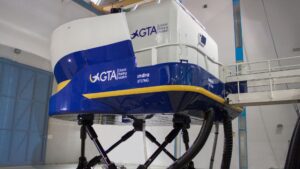

Pilot training is a demanding journey that requires not just skill, but mindset, discipline, and continuous learning. At Global Training Aviation (GTA), we’ve worked with thousands of pilots worldwide—and we’ve seen common mistakes that can slow down or even jeopardize a pilot’s progress. Let’s explore what these mistakes are and, most importantly, how to avoid them.
1. Overlooking Pre-Flight Preparation
Rushing into training sessions without reviewing procedures, checklists, or flight plans is a major red flag. Good preparation is key to efficient and safe learning. Always arrive with a clear mental picture of what you’ll be doing.
2. Not Practicing Enough Emergency Procedures
It’s easy to focus on routine tasks, but emergency scenarios are where real skill shows. Practice engine failures, system malfunctions, and unexpected situations regularly in a Full Flight Simulator environment to build confidence and reflexes.
3. Failing to Build Situational Awareness
Being aware of your environment, weather, aircraft status, and other aircraft is fundamental. Poor situational awareness leads to errors that could be easily avoided with proactive scanning and anticipation techniques.
4. Not Asking for Feedback
Some students hesitate to ask instructors for feedback—or worse, dismiss it. Remember, feedback is the fastest route to improvement. Actively seek input after every flight or simulator session.
5. Overconfidence and Rushing Through Training
Confidence is important, but overconfidence can be dangerous. Take your time to truly master each step before advancing. Pilots who rush often miss key lessons that become critical in real-world flying.
6. Ignoring the Importance of Simulators
Simulators allow pilots to experience high-risk situations in a safe environment. Skipping sim sessions or not taking them seriously is a missed opportunity for deep learning.
7. Lack of Rest and Mental Preparation
Fatigue impairs decision-making and learning. Make rest and nutrition part of your training plan. A fresh mind processes information faster and handles stress better.
8. Not Embracing New Technology
The aviation industry is evolving fast. Whether it’s new aircraft systems or modern flight management tools, staying updated with the latest tech is essential for long-term success.
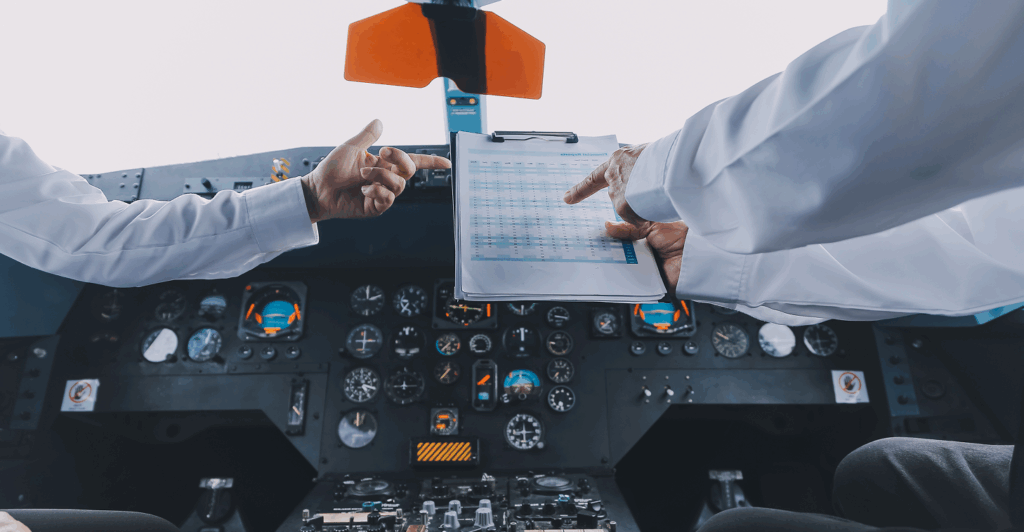
How GTA Helps You Avoid These Mistakes
At GTA, we’ve designed our training to help students avoid these pitfalls. Our programs include:
- Personalized feedback from globally experienced instructors
- Scenario-based training using Full Flight Simulators
- Integrated CRM and decision-making training modules
- Progress tracking and mentoring throughout the course
Recommended Next Reads
Frequently Asked Questions
What are the most common mistakes during pilot training?
Some of the most common mistakes during pilot training include poor pre-flight preparation, not practising emergency procedures enough, lack of situational awareness, ignoring instructor feedback, overconfidence, and not taking simulator sessions seriously. These mistakes can slow down a pilot’s progress and affect overall training performance.
How can student pilots improve their situational awareness?
Student pilots can improve situational awareness by constantly monitoring the aircraft, weather conditions, instruments, airspace, and surrounding traffic. Developing good scanning habits, anticipating potential risks, and reviewing each training session with an instructor can also help pilots make better decisions during flight.
Why is simulator training important for pilots?
Simulator training is essential because it allows pilots to practise complex and high-risk scenarios in a safe and controlled environment. It helps students build confidence, improve decision-making, practise emergency procedures, and prepare for situations that may be difficult or unsafe to recreate in real flight.
Have Questions? Let’s Talk
Whether you’re just starting out or preparing for your type rating, our team is ready to support you. Contact us to speak with an advisor and take the next step in your aviation career.