
Flight simulation has become an indispensable tool in modern pilot training, offering an immersive, cost-effective, and safe environment for aspiring pilots to develop their skills. Moreover, from early lessons in basic cockpit operations to advanced certifications like type ratings for aircraft, flight simulators play a critical role in preparing pilots for the demands of commercial aviation. In addition, this article explores how simulation technology shapes professional pilot training and why it’s vital for the aviation industry.
What Are Flight Simulators?
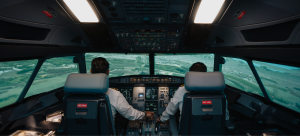
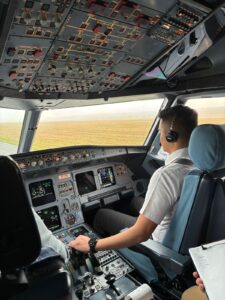
Flight simulators are highly sophisticated devices designed to replicate the experience of flying an aircraft. Depending on the level of complexity, simulators can range from Flight Training Devices (FTDs) used for specific procedures to Full Flight Simulators (FFS) that replicate the entire cockpit environment and dynamic flight experience.
Modern simulators, certified by authorities like EASA, FAA, and DGCA, incorporate advanced visual systems, realistic motion platforms, and state-of-the-art avionics to deliver unparalleled training quality. Therefore, they provide an excellent platform for effective pilot training.
Key Benefits of Flight Simulation in Pilot Training
- Safe Environment for Training
Simulators provide a controlled and risk-free environment where pilots can practice complex maneuvers, emergency procedures, and adverse weather operations. For instance, pilots training on the Airbus A320 or Boeing B737 can rehearse engine failures, hydraulic issues, or wind shear without endangering lives or aircraft. Thus, safety is one of the most significant advantages of flight simulation. - Cost-Effective Learning
Operating an actual aircraft for training purposes is expensive, particularly for jets like the ATR 600 or Airbus A320. In contrast, simulators dramatically reduce costs by minimizing fuel expenses, wear and tear, and maintenance requirements. Consequently, they provide a more affordable option for pilot training. - Compliance with Certification Standards
Flight simulation plays a vital role in meeting regulatory requirements for pilot training under EASA, FAA, and DGCA guidelines. In addition, many certifications, including type ratings and recurrent training, mandate simulator hours, ensuring pilots achieve competency before operating real aircraft. As a result, pilots can ensure their compliance with all necessary regulations. - Enhanced Realism
Modern simulators replicate real-world scenarios with remarkable accuracy. For example, trainees can experience diverse challenges, from crosswind landings to system failures, ensuring they are well-prepared for the complexities of airline operations. Thus, the realism of simulators enhances the overall training experience. - Accessibility for Advanced Training
For aspiring airline pilots, simulators enable access to specialized training programs like Multi-Crew Cooperation (MCC), Jet Orientation Course (JOC), and type ratings for aircraft. These programs, in turn, prepare pilots for multi-crew environments and the high-speed dynamics of jet operations. Therefore, simulators offer invaluable opportunities for advanced training.
How Simulation Supports Key Stages of Pilot Training
- Basic Flight Training
Flight simulators are essential during early training stages, helping students master fundamental skills such as navigation, instrument reading, and emergency handling before advancing to real aircraft. Additionally, they provide a foundational learning environment that enhances confidence. - Advanced Certifications
For type ratings on aircraft, simulators offer an intensive learning experience. In particular, trainees practice specific systems, operational procedures, and handling techniques unique to each aircraft. Consequently, simulators play a crucial role in preparing pilots for certification exams. - Recurrent Training
Experienced pilots use simulators for periodic recurrent training required by regulatory bodies like EASA, FAA, or DGCA. As a result, these sessions ensure pilots remain proficient and up-to-date with the latest operational standards. Therefore, recurrent training is a key component of pilot education. - Los simuladores de entrenamiento basados en escenarios
permiten a los pilotos entrenarse para situaciones poco frecuentes y de alto riesgo que son imposibles de replicar de forma segura en la vida real, como turbulencias extremas o fallos en ambos motores. Por ejemplo, los alumnos pueden experimentar estas situaciones extremas sin ponerse en riesgo ni a sí mismos ni a los demás. Por lo tanto, el entrenamiento basado en escenarios mediante simuladores es fundamental para la preparación de los pilotos.
Why Choose Global Training Aviation for Simulator Training?
At Global Training Aviation, we are leaders in providing world-class flight simulation training. Here’s why pilots trust us for their career development:
- State-of-the-Art Simulators: Train on Full Flight Simulators (FFS) for leading aircraft models like the Airbus A320, Boeing B737, and ATR 500/600. Moreover, we ensure that our simulators are always updated with the latest technology.
- Tailored Training Programs: From initial licenses to type ratings, our courses are designed to meet individual needs and regulatory requirements under EASA, FAA, and DGCA. Therefore, every pilot receives personalized training.
- Expert Instructors: Learn from experienced professionals with deep knowledge of airline operations and advanced simulation technology. In addition, our instructors are well-versed in both theory and practical application.
- Global Recognition: Our training is highly regarded worldwide, providing pilots with a competitive edge in the aviation industry. Thus, our students are better equipped to excel in their careers.
The Future of Flight Simulation in Pilot Training
The aviation industry is rapidly adopting new technologies to enhance training efficiency and effectiveness. Innovations like virtual reality (VR), artificial intelligence (AI), and data analytics are poised to revolutionize flight simulation further, making it even more immersive and adaptive to individual pilot needs. As a result, we can expect to see significant advancements in simulation technologies in the near future.
At Global Training Aviation, we stay at the forefront of these advancements, ensuring our students receive the highest quality training using the latest tools and techniques. Consequently, our trainees are always prepared for the challenges of modern aviation.
FAQ
What are flight simulators?
Flight simulators are highly sophisticated devices designed to replicate the experience of flying an aircraft. They range from Flight Training Devices (FTDs) for specific procedures to Full Flight Simulators (FFS) that recreate the entire cockpit and dynamic flight experience, offering a realistic training environment for pilots.
What are the key benefits of flight simulation in pilot training?
- Safe Environment: Flight simulators provide a controlled, risk-free environment where pilots can practice complex maneuvers, emergency procedures, and adverse weather operations without endangering lives or aircraft.
- Cost-Effective Learning: Operating real aircraft for training is expensive, but simulators reduce costs by eliminating fuel, wear and tear, and maintenance requirements.
- Compliance with Certification Standards: Simulators are essential for meeting regulatory training requirements set by bodies like EASA, FAA, and DGCA, including hours needed for type ratings and recurrent training.
- Enhanced Realism: Modern simulators replicate real-world scenarios, allowing pilots to experience challenges like crosswind landings and system failures, improving preparedness for actual airline operations.
- Accessibility for Advanced Training: Simulators provide access to specialized programs such as Multi-Crew Cooperation (MCC) and Jet Orientation Course (JOC), which prepare pilots for multi-crew environments and jet operations.
How does flight simulation support different stages of pilot training?
- Basic Flight Training: Simulators help new pilots master fundamental skills like navigation and emergency handling, providing a foundation for real aircraft training.
- Advanced Certifications: Simulators are crucial for type rating training, where pilots learn specific aircraft systems, procedures, and handling techniques in an intensive setting.
- Recurrent Training: Experienced pilots use simulators for periodic training to stay proficient and up-to-date with industry standards.
- Scenario-Based Training: Simulators allow pilots to practice rare and high-risk scenarios, like dual-engine failures, that are impossible to replicate safely in real life.